Read Our Article
Ashwagandha Root Powder vs Whole Ashwagandha Root: Which Should You Source?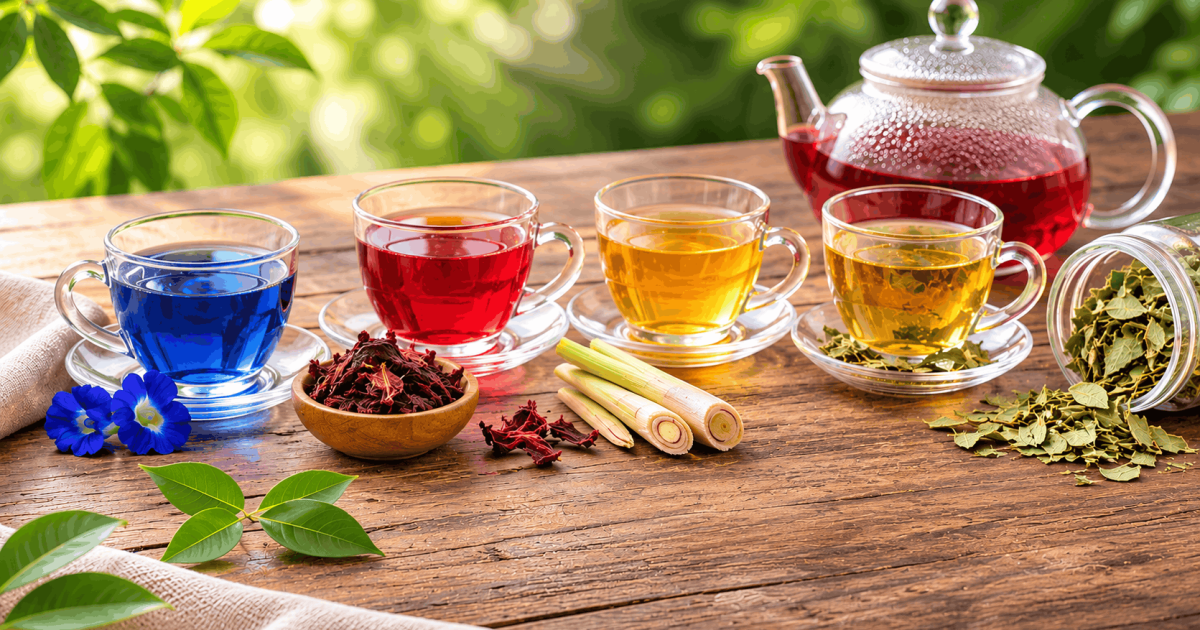
Which Herbal Wellness Teas Can You Taste Side by Side?
A first session works best with three teas that everyone can track comfortably. Genius Nature Herbs lists Hibiscus Tea, Blue Butterfly Pea Tea, and Lemongrass Tea in its range, which makes them a practical starting set for anyone learning to run a tasting comparison in one sitting, whether at home, behind a counter, or in a development kitchen.
Before brewing, record the exact product name, sample form and cup code for each tea. Use the product name to match the sample to its listing, and use the cup code during tasting. If the Hibiscus Tea sample differs from what you expected, confirm the supplied plant part and form with Genius Nature Herbs.
The suggested groups below cover the full Genius Nature Herbs herbal tea range, starting with the first three samples. Each group suits one later session. Plan those flights around pairs from the same group, such as Peppermint Tea beside Spearmint Tea, and keep the separate tasting group in its own session so each group is compared on its own terms.
| Suggested tasting group | Genius Nature Herbs teas |
|---|---|
| First tasting | Hibiscus Tea, Blue Butterfly Pea Tea, Lemon Grass Tea |
| Flower tea | Chamomile Tea |
| Leaf teas | Moringa Tea, Papaya Leaf Tea, Guava Leaf Tea |
| Mint and spice teas | Peppermint Tea, Spearmint Tea, Ginger Tea |
| Herb and plant teas | Tulsi Tea, Rooibos Tea, Mulberry Tea, Gymnema Tea, Java Tea, Graviola Tea, Senna Tea, Cassia auriculata (Aavaram poo) Tea |
| Herbal blends | Detox Tea, Slim Tea |
| Separate tasting | Black Tea, Green Tea, Assam Darjeeling Tea, Masala Tea |
How to Brew Herbal Wellness Teas Under Comparable Conditions
Label each cup before any water goes in. A letter or number on the base, matched to a key that only the host holds, keeps tasters from judging by name. Write the same code on the tasting sheet and beside the tea it belongs to, then check the key once more before the first pour.
Use cups of the same material, size, and colour, and pour the same volume of water into each. A white interior lets everyone read colour on equal terms. Brew each sample in its own vessel and keep spoons, strainers, and pouring jugs separate so nothing carries over from one tea to the next.
Choose one setup that suits your samples and record the tea amount, water temperature, and steeping time for every cup. Confirm preparation guidance for each tea with Genius Nature Herbs before the session. Where specific instructions apply to a tea, follow them and note how that cup differs from the rest.
Start the timers in sequence and strain in the same order, so each cup steeps for exactly its recorded time. Keep the infusions plain at this stage. Sweeteners, ice, or citrus belong to a later round, once every taster has finished the first set of notes on the plain cups.
How to Record Aroma, Colour, Body and Aftertaste in Herbal Tea
Give each taster a sheet with columns for cup code, tea name, brew details, aroma, colour, body, and aftertaste, plus a short comments column. Set up one row for each cup code and leave the tea name blank until everyone has finished tasting. Separate fields stop one strong impression from shaping the rest of the notes.
Aroma comes first. Smell the dry tea, then the cup just after straining, and note what you detect and how strong it seems in your own words. For colour, hold the cup against a white surface and describe the shade, its depth, and whether the liquid looks clear or hazy.
Body describes how the tea feels in the mouth. Decide whether it feels thin and light like water, or fuller, with a sense of weight on the tongue. For aftertaste, pause for a few seconds after swallowing and record what remains, how long it lingers, and whether it stays pleasant or fades into something different.
Other Wellness Product
Turmeric FingerHow to Compare Herbal Wellness Teas as the Cups Cool
Taste each sample at a similar serving temperature for the second round. If you use a thermometer, record the temperature beside each cup code. Otherwise, note the time since straining. Taste in the same order as before and write in a fresh column instead of editing your first notes, so both rounds stay visible.
For each cup, mark what changed and what stayed consistent across aroma, colour, body, and aftertaste. These two lists show how each tea behaved across both rounds. Next, circle the observations that matter for your intended serving style. A counter pouring hot cups should weight the warm round, whereas a chilled menu leans on the cooled notes.
For example, a beverage team testing Hibiscus Tea, Blue Butterfly Pea Tea, and Lemongrass Tea for a summer menu could compare only the cooled columns. The cups whose colour and aftertaste held up best form a shortlist for a separate chilled trial, while the others return for hot service tests.
About Genius Nature Herbs and Its Herbal Wellness Teas
Based in Coimbatore, Tamil Nadu, Genius Nature Herbs Pvt. Ltd. is a herbal dietary supplement manufacturer, exporter, and supplier behind DietarySupplementsIndia.com. Its range spans herbal capsules, tablets, powders, teas and soups, extracts, and raw herbs, with bulk pricing for wholesale buyers. The company presents GMP certified and ISO compliant credentials.
Conclusion on Comparing Herbal Wellness Teas
Lay your warm and cooled notes next to each other and shortlist the two or three teas whose observations best fit how you plan to serve them. Then confirm the exact product details for that shortlist with Genius Nature Herbs and repeat the tasting with fresh cups before you finalise the menu.
Frequently asked questions
How Do You Set Up a Group Tasting for Herbal Wellness Teas?
Prepare one shared batch per tea so every participant tastes the same infusion, then pour small portions into each person's cups. Set out plain water for rinsing between cups and give everyone the same tasting order. Agree on the cooling point for the second round before you begin, so the whole group tastes together.
How Do You Compare Herbal Tea Tasting Notes From Multiple Tasters?
Collect the sheets after the reveal and read each field across all tasters, looking for words that recur. A shared summary sheet helps here. Recurring words for the tea's colour or body show where tasters agreed in that session, while split opinions on aroma mark a tea worth retasting before you decide.
Can You Compare Herbal Wellness Tea Samples Brewed on Different Days?
Yes, provided you repeat the setup recorded on the first day exactly. Note the date and any pack details for each herbal wellness tea on its sheet, so you can tell a change in the tea from a change in the session. Keep both days' sheets together and compare them field by field.
How Do You Compare Two Herbal Teas That Taste Almost the Same?
Taste them again in reverse order, then smell the dry tea of each. If they still seem close, brew a fresh cup of both and taste them alone. Teas that stay close can both remain on your shortlist and be chosen by serving style, cost per cup, or how well each fits the rest of your menu.
Can Retail Staff Use Herbal Tea Tasting Notes on Shelf Cards?
Yes, when the cards describe observed qualities such as colour or body in the staff's own words. Keep each card short, describe only what tasters noticed, and leave out wellness claims. Placing each card beside the matching Genius Nature Herbs pack helps shoppers connect the notes to the right tea.
Interested in Herbal Wellness Teas?
Talk to our team about specifications, certificates, MOQ, private labelling and export documentation.